



Quick answer: A body mist is a light, refreshing fragrance spray with a softer scent than perfume. It fades faster, so spray it on moisturized skin, reapply during the day, and layer it with an unscented lotion. If your skin is sensitive, choose gentle formulas: the FDA notes fragrance ingredients can cause reactions for some people (FDA).
Table of Contents
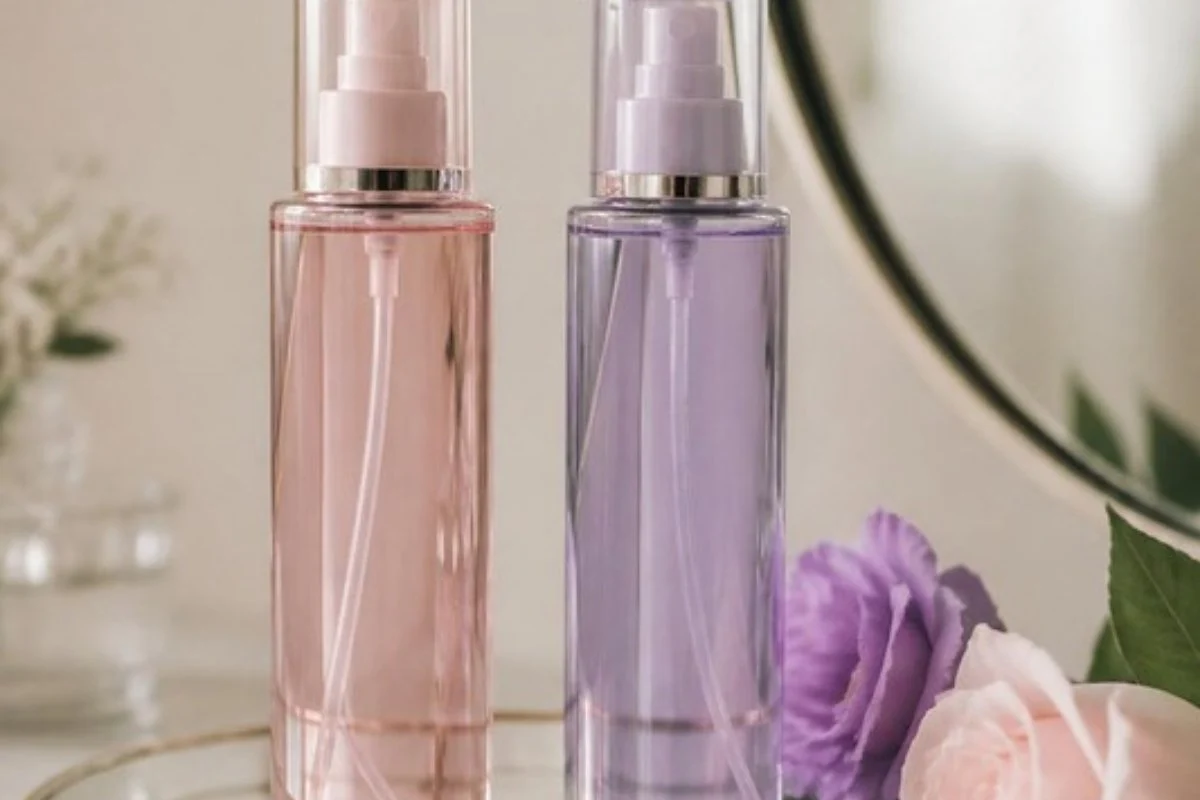
Body mist vs perfume
| Product | Scent strength | Lasts |
|---|---|---|
| Body mist | Light and airy | A few hours; reapply as you like |
| Eau de toilette | Medium | Longer than a mist |
| Eau de parfum | Strong | Most of the day |
We haven’t lab-tested these options. The table compares them by what the label says and how they’re usually made.
A body mist is great for a casual, fresh feeling, for hot weather, or for when you want something subtle at work or school.
How to choose a body mist scent
- Fresh: citrus, cucumber and green notes feel clean and bright.
- Floral: rose, peony and jasmine are soft and romantic.
- Fruity: berry, peach and apple feel playful and sweet.
- Warm: vanilla, coconut and amber feel cozy and lasting.
- Try before you buy: spray a tester on your wrist and wait before deciding.
Scents change on skin, so give each one time to settle. What smells sharp in the bottle can feel soft after a few minutes.
How to apply it
- Start after a shower when skin is clean.
- Moisturize first with an unscented lotion or oil.
- Hold the bottle a little away from your skin.
- Spray pulse points and body: wrists, neck, chest and arms.
- Mist your clothes lightly, checking fabrics first.
- Reapply midday for a fresh boost.
Tips to make your scent last
- Moisturized skin holds scent better. A body oil or lotion gives the mist something to cling to.
- Don’t rub your wrists. It breaks down the scent faster.
- Mist your hair lightly from a distance, or use a hair perfume.
- Keep a travel size in your bag for top-ups.
- Store it well. Keep bottles away from heat and sunlight.
Skip broken or freshly shaved skin, since fragrance can sting there. Patch test anything new. The AAD suggests applying a new product to a quarter-sized spot on the underside of your arm or the bend of your elbow twice a day for 7 to 10 days, and stopping if your skin reacts (AAD).
Layering scents
Layering is the easiest way to boost a body mist. Use a matching body wash in the shower, then a lotion, then the mist. Or pair a light body mist with an unscented cream for a softer result.
You can also mix scents that share a family, such as two florals or a vanilla with a fruity note. Keep it simple at first and add one layer at a time.
Seasons change what smells best. Light citrus and green scents feel fresh in summer, while vanilla, amber and warm spice feel cozy in winter. Many people keep two or three sprays and rotate them by mood or weather. A small wardrobe of scents is more fun than one big bottle you get bored of.
Gifting one? Choose a crowd-pleasing family such as fresh or soft floral, and pick a travel size so the person can try it before committing.
Where it fits in your routine
A light scent is the final step after your shower routine and moisturizer. Our body care routine shows how to build the whole routine, from cleansing to scent.
Keep one bottle by your mirror and one in your bag, and you’ll always have a quick refresh ready.
Most of all, pick a scent that makes you happy. A light spray is an easy, low-cost way to feel fresh through the day, and it’s fun to change with the seasons or your mood.
Related guides: Self Tanner: How to Choose and Apply It Streak-Free.
FAQ
How long does body mist last?
It’s lighter than perfume, so it fades sooner. Moisturizing first and reapplying helps.
Can I spray body mist on my face?
No. Keep fragrance away from your face and eyes.
Can I use body mist every day?
Yes, if your skin is comfortable with it. Stop if you notice irritation.
Is body mist good for sensitive skin?
Some people react to fragrance. Choose gentle formulas and patch test first.
Can I spray body mist on clothes?
Yes, lightly. Test a hidden spot first, since some formulas can mark delicate fabrics.
Written by Mahmoud Abdelmaksoud.

1 comment