Quick answer: A non comedogenic sunscreen is one whose label says it’s formulated not to clog pores, usually in a lighter gel, fluid or lotion texture. Pick one with SPF 30 or higher and “broad spectrum” on the label (AAD), choose a finish you like, then apply a generous layer as the last step of your morning skincare.
Table of Contents
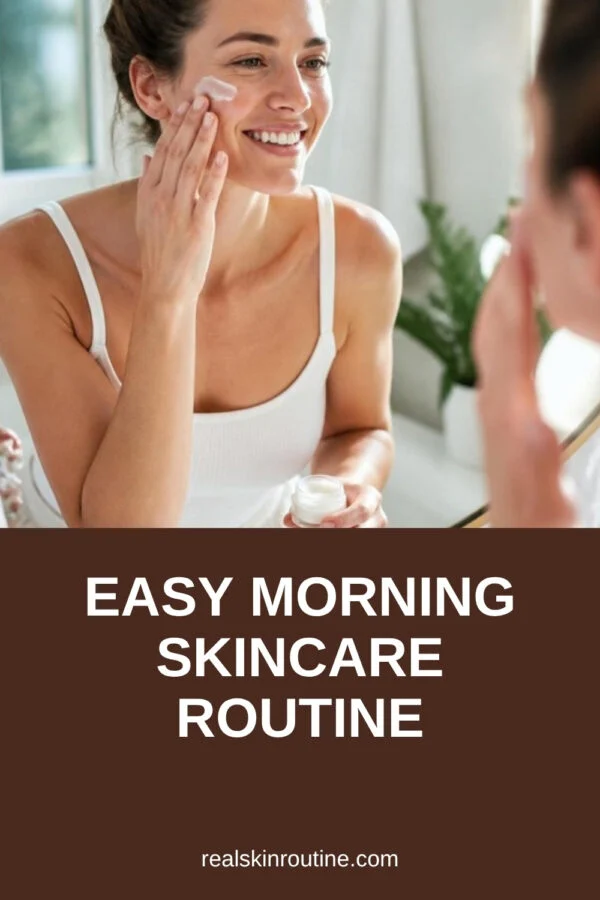
How to use non comedogenic sunscreen: morning routine
- Cleanse and moisturize as usual. Let your moisturizer sink in for a minute.
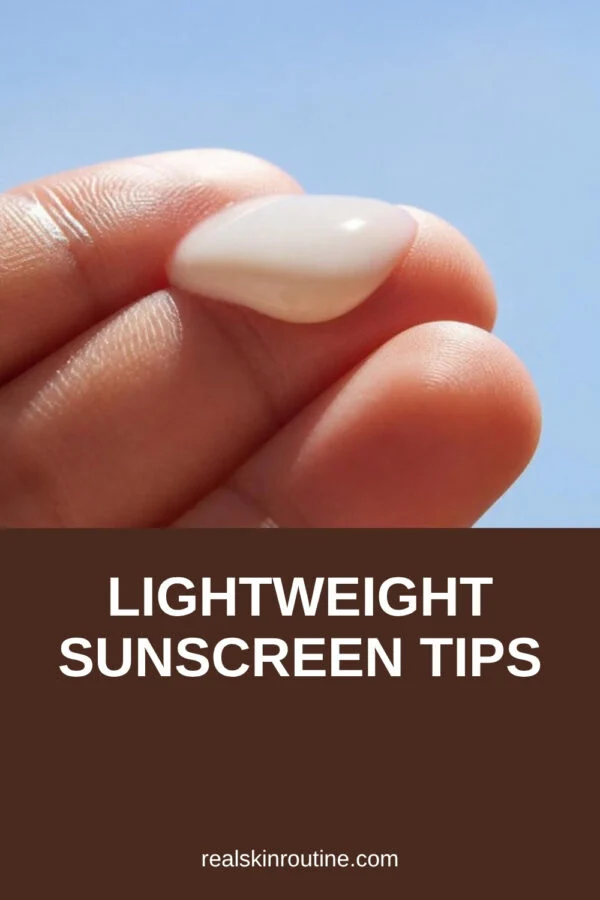
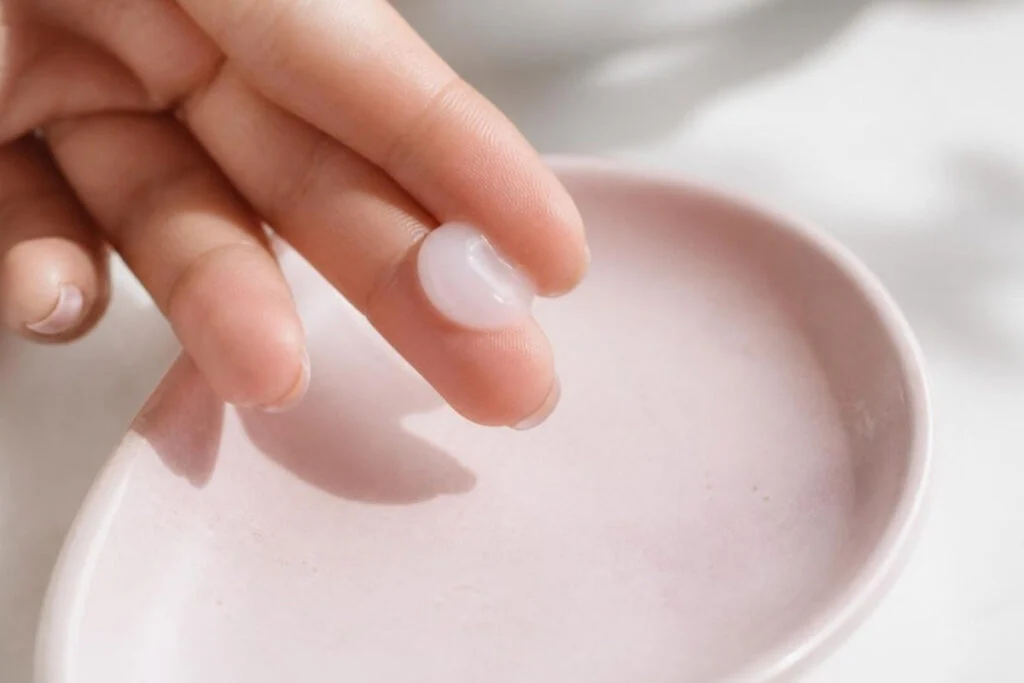
- Measure enough sunscreen. The AAD says to use at least 1 teaspoon for the face, about the length of your index and middle fingers.
- Dot it over your forehead, cheeks, nose and chin, then spread in an even layer. Don’t forget your ears and neck.
- Wait a few minutes before makeup so it can settle.
- Outdoors, apply about 15 minutes before you go out and reapply every two hours, and right after swimming or sweating (AAD).
Time: about 2 minutes. How often: every morning.
What does non comedogenic mean on a sunscreen?
It’s a label claim. Brands use it to say a product is formulated not to clog pores. It isn’t a term the FDA defines: the FDA says it has no list of approved or accepted claims for cosmetics, and that label claims must be truthful and not misleading (FDA). So treat “non comedogenic sunscreen” as a helpful signal from the brand, then judge the texture and finish for yourself.
How to choose a non comedogenic sunscreen
- SPF 30+ and broad spectrum. The AAD recommends SPF 30 or higher. “Broad spectrum” means it covers both UVA and UVB rays.
- Texture. The AAD notes that gels suit oily complexions and creams suit dry skin and the face. Fluids and lotions sit in between.
- Finish. Matte finishes suit shiny T-zones. Dewy or satin finishes suit drier skin.
- Water resistance. If you sweat, look for “water resistant (40 minutes)” or “(80 minutes)” on the label.
- Mineral or chemical. Check the Active Ingredients box. Zinc oxide and titanium dioxide are mineral filters.
Non comedogenic sunscreen textures compared
| Texture | Feels like | Best for |
|---|---|---|
| Gel | Light, watery, fast to dry | Oily or combination skin, hot weather |
| Fluid or milk | Thin lotion, easy to spread | Wearing under makeup |
| Cream | Richer, more cushion | Dry skin |
| Stick | Solid, balm-like | Touch-ups and around the eyes |
We haven’t lab-tested these textures. This table compares them by what they’re designed to do.
Wearing non comedogenic sunscreen under makeup
- Let the sunscreen settle for a few minutes first, so foundation doesn’t slide.
- Use a thin primer only if you need one. Many light sunscreens already give a smooth base.
- Press, don’t rub, when you apply foundation over the top.
- For a tinted option that does double duty, see our guide to tinted SPF.
How to fit non comedogenic sunscreen into your routine
Think of non comedogenic sunscreen as the last skincare step and the first step of your makeup. In the morning, cleanse, apply a light moisturizer if you need one, then your sunscreen. If your moisturizer and sunscreen both feel heavy together, try a gel sunscreen and skip the separate moisturizer on warm days, as long as your skin feels comfortable.
If you wear makeup, keep the rest of your products light too. A sheer skin tint, a little concealer and powder only on shiny spots keep the whole look from feeling layered. At night, take everything off with a makeup remover or cleansing balm, then cleanse as usual.
- Oily or combination skin: a gel or fluid with a matte or satin finish.
- Dry skin: a cream or lotion with a dewy finish.
- Wearing makeup daily: a fluid that dries down quickly, so foundation goes on smoothly.
Common mistakes
- Using too little. A thin pea-sized dot won’t cover your whole face and neck.
- Skipping reapplication. Outdoors, the two-hour rule still applies.
- Picking on the label alone. A non comedogenic sunscreen you dislike wearing ends up in a drawer. Texture and finish matter.
For the full picture, see our simple skin care routine guide, which puts every step in order.
FAQ
Is non comedogenic sunscreen different from regular sunscreen?
It protects the same way. The difference is the brand’s claim about the formula, which usually comes in a lighter texture.
Which texture is lightest?
Gels and fluids usually feel lightest on the skin. Creams feel richer.
Can I wear non comedogenic sunscreen every day?
Yes. Make it the last step of your morning skincare, before makeup.
How much should I use on my face?
The AAD says at least 1 teaspoon for the face, about two finger-lengths.
Written by Mahmoud Abdelmaksoud.