


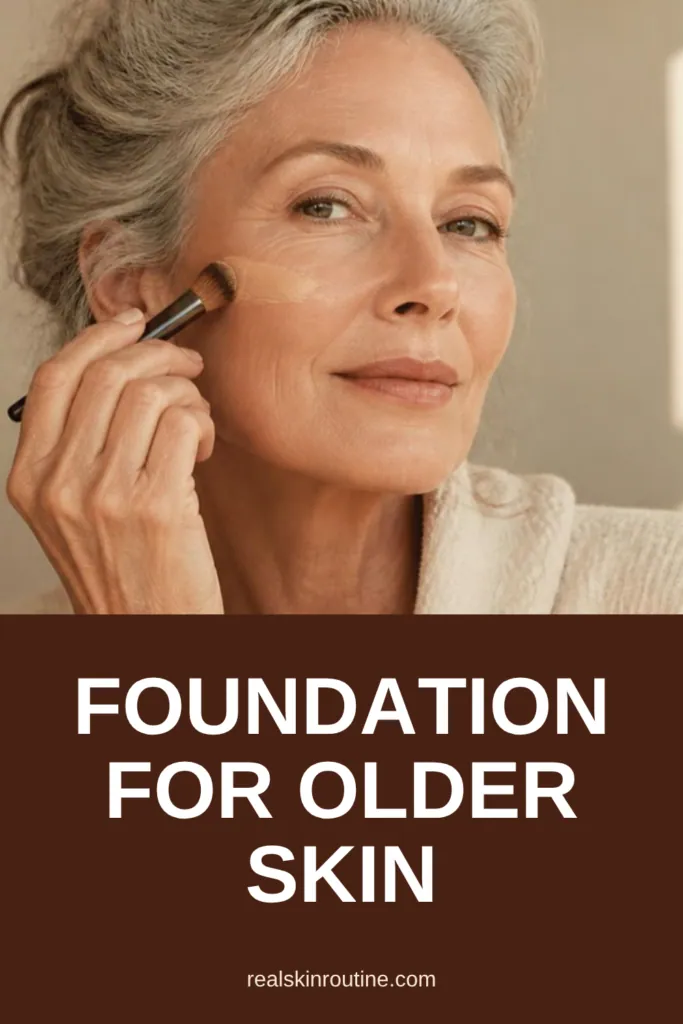
Quick answer: When you shop for the best foundation for older skin, look for one with a satin or natural-dewy finish, light-to-medium buildable coverage and a hydrating, fluid or serum-like texture. Prep with moisturizer, apply a thin layer with fingers or a damp sponge, and add more only where you need it. Thick, very matte formulas are the ones most likely to settle into lines.
Table of Contents
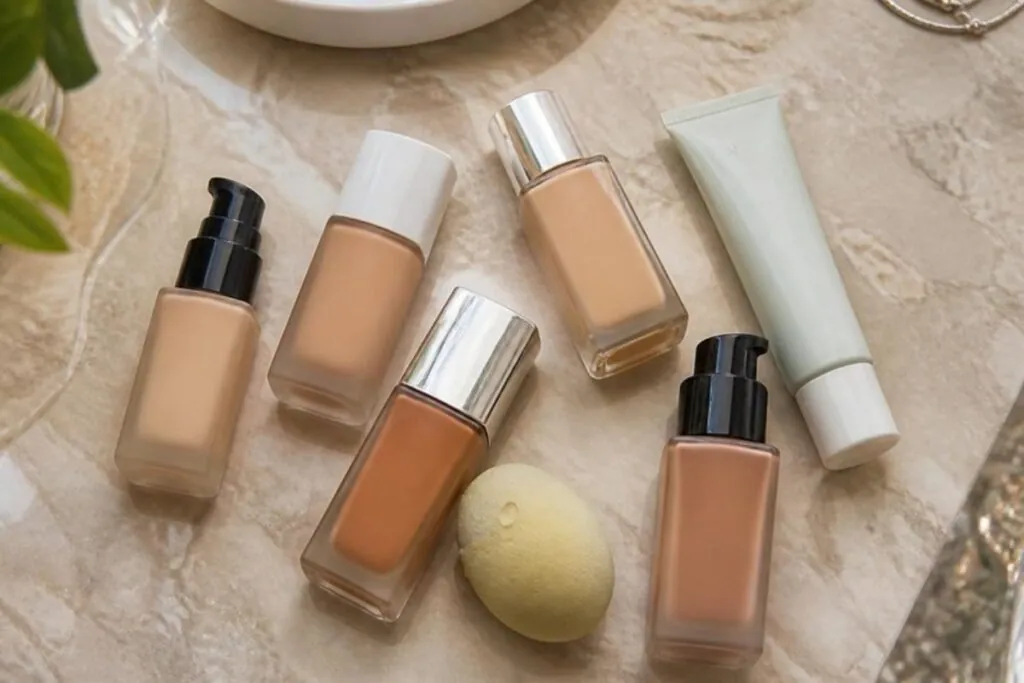
Wearing the best foundation for older skin: 6 steps
- Moisturize and let it sink in for a couple of minutes.
- Apply sunscreen in the morning, or use a foundation with broad-spectrum SPF on the label.
- Use a smoothing or hydrating primer if you like one.
- Dot a small amount of foundation on the center of your face and blend outward.
- Spot-conceal where you still need it.
- Set only where you get shiny, with a light dusting of powder.
Time: about 5 minutes.
What foundation will not settle in wrinkles?
Any foundation can settle into lines if you use too much. These help most:
- A thin layer. Less product means less to crease.
- Hydrating formulas. Look for glycerin or hyaluronic acid on the ingredient list.
- A flexible finish. Satin and dewy finishes move with your skin better than a flat matte.
- Little powder. Set only the T-zone, or skip powder.
- Blotting through the day instead of adding more powder.
Is matte or dewy better for mature skin?
For most mature skin, satin or natural-dewy looks softer. It reflects a bit of light, so skin looks fresher. Matte can work if your skin is oily, but choose a “soft matte” or “natural matte” formula, use a thin layer, and keep moisturizer underneath.
How to choose the best foundation for older skin
| Feature | Look for | Skip |
|---|---|---|
| Finish | Satin, natural or dewy | Full, flat matte |
| Coverage | Light to medium, buildable | Heavy, full coverage all over |
| Texture | Fluid, serum, skin tint or cream | Thick, dry mousse |
| Extras | SPF on the label if you want it to help with daily sun protection | Heavy glitter or shimmer particles |
How to find your shade
- Swatch three shades in a stripe along your jawline.
- Check them in daylight near a window. The one that disappears is your match.
- Look at your undertone: warm (golden), cool (pink) or neutral.
- Skin tone can change over the years, so re-check your shade instead of rebuying the old one.
- Buying online? Use the brand’s shade finder and check the return policy first.
How to apply foundation on mature skin
- Fingers: warm the product and press it in. Gives the most natural finish.
- Damp sponge: bounce, don’t drag. Gives a sheer, smooth layer.
- Brush: buff in small circles, then press with a sponge to soften.
Around the eyes and mouth, use whatever’s left on your fingers instead of adding more.
What is the best foundation for older skin?
There isn’t one best foundation for older skin that suits everyone. The best one matches your shade, has a finish you like, and stays comfortable all day. Drugstore and high-end brands both make hydrating, buildable formulas, so start with the checklist above and compare shade ranges and prices at your usual store.
Prefer something lighter? See our guides to tinted moisturizer and tinted SPF. The American Academy of Dermatology’s page on skin care in your 40s and 50s suggests a daily moisturizer and sunscreen, which fit right under your foundation.
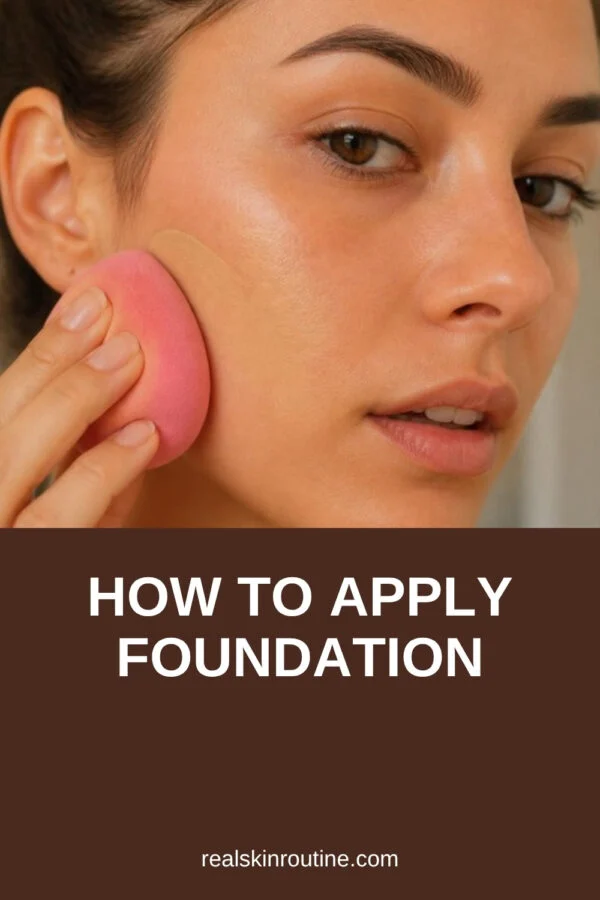
Want the full technique? Read our step-by-step guide on how to apply foundation for a smooth, even finish.
New to makeup? Our step-by-step guide on how to do makeup covers the whole look.
FAQ
What is the No. 1 foundation for mature skin?
There’s no single No. 1. Pick a hydrating, buildable formula in a satin or dewy finish that matches your shade.
What foundation will not settle in wrinkles?
A thin layer of a hydrating, flexible formula with minimal powder on top.
Is matte or dewy better for mature skin?
Satin or natural-dewy usually looks softer. If you prefer matte, choose a soft-matte formula and use a thin layer.
What is the best foundation for older skin?
The best foundation for older skin is one that matches your shade, feels comfortable and has a finish you like. Use the table above to narrow it down.
Written by Mahmoud Abdelmaksoud.

1 comment