



Quick answer: Setting powder is a finely milled powder that sets liquid or cream makeup so it lasts longer and looks less shiny. Use a small amount only where you need it, usually the T-zone and under the eyes, and press it in with a puff or dust it on with a fluffy brush.
Table of Contents

Types of setting powder
| Type | Finish | Best for |
|---|---|---|
| Loose translucent | Sheer, soft matte | Most skin tones, under eyes |
| Pressed | Slightly more coverage | Touch-ups on the go |
| Tinted | Adds a little color | Evening out tone |
| Luminous | Soft glow | Dry or mature skin |
We haven’t lab-tested these options. The table compares them by what the label says and how they’re usually made.
A loose translucent setting powder is the most flexible choice. Test it in daylight, because some translucent powders can look pale or white on deeper skin tones.
How to apply setting powder
- Finish foundation and concealer first. Our how to apply foundation guide covers that.
- Tap a small amount of powder into the lid and swirl your brush or press your puff into it.
- Tap off the extra. Less is more.
- Press, don’t swipe, on shiny areas like the nose, forehead and chin.
- Set under the eyes lightly to keep under-eye concealer from creasing.
- Dust off any excess with a clean fluffy brush.
Brush or puff?
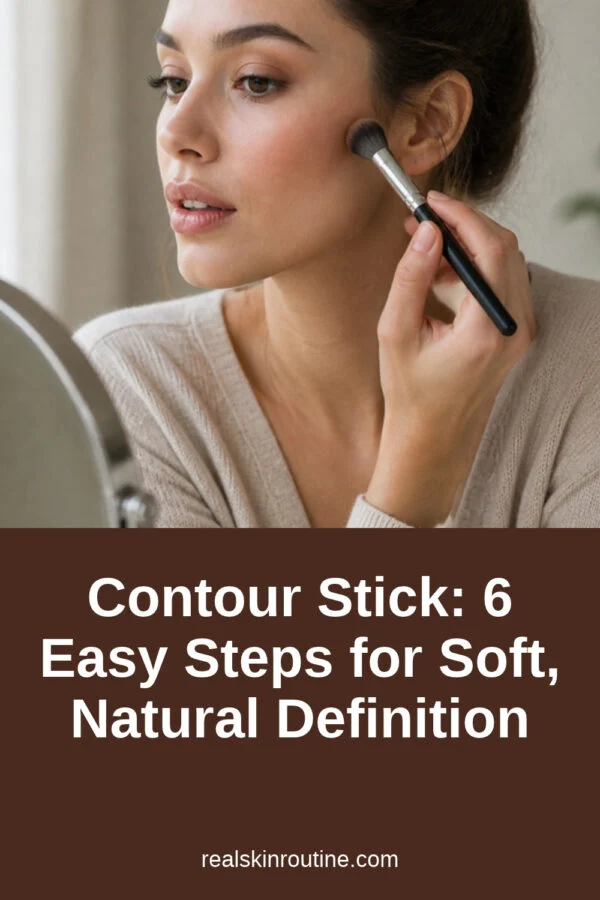
A fluffy brush gives a light, natural finish. A velour puff presses powder in for longer wear, especially under the eyes. Many people use a puff on the T-zone and a brush everywhere else.
Wash puffs and brushes regularly. The AAD recommends cleaning makeup brushes every 7 to 10 days with gentle shampoo and lukewarm water (AAD).
Tips for a smooth finish
- Moisturize first. Powder clings to dry patches.
- Let cream products settle for a minute before powdering.
- Use setting powder only where you get shiny. Leave cheeks glowy if you like.
- Finish with a mist. A setting spray melts powder into skin.
- Blot before re-powdering during the day.
Patch test anything new. The AAD suggests applying a new product to a quarter-sized spot on the underside of your arm or the bend of your elbow twice a day for 7 to 10 days, and stopping if your skin reacts (AAD).
How long powder lasts
Powders usually keep longer than liquids, but they don’t last forever. Check the period-after-opening symbol on the pack, and toss any product that changes smell or texture. The FDA notes that cosmetics can go bad and that expiration dates are only a rough guide (FDA).
Close the lid tightly after each use, and keep powder dry and away from the steamy bathroom if you can.
For oily skin, press powder on the T-zone first and add more only where shine comes back. For dry or mature skin, use a very light layer, or choose a luminous formula and skip powder on the cheeks. Baking, where you leave a thick layer on for a few minutes before dusting it off, can look heavy in daylight, so try a light press first.
Keep a small compact or blotting papers in your bag for midday touch-ups.
Where setting powder fits your routine
Setting powder comes after foundation and concealer and before blush and bronzer if those are powders too. Our how to do makeup guide lays out the full order, and our natural makeup look shows a lighter version.
If you wear little makeup, a light dusting of setting powder on the nose is often all you need.
One more thing to remember: setting powder should make makeup look like skin, not like powder. If you can see it, use less, or switch to a finer formula with a smaller brush.
Related guides: Blemish Concealer: How to Cover Spots Naturally, Primer for Oily Skin: How to Choose One That Lasts, Body Glitter: How to Apply It and Remove It Easily.
FAQ
What is setting powder used for?
It sets liquid and cream makeup so it lasts longer and looks less shiny.
Is translucent powder good for dark skin?
Some are. Test in daylight, because some formulas can look white. Tinted powders are another option.
Should I use a brush or a puff?
A brush gives a light finish. A puff presses powder in for longer wear.
Why does my setting powder look cakey?
Usually too much product or dry skin underneath. Moisturize first and tap off extra powder.
Do I need setting powder if I use setting spray?
Not always. Many people use both, but either one alone can work.
Written by Mahmoud Abdelmaksoud.


1 comment